

PHP多态详解与实战
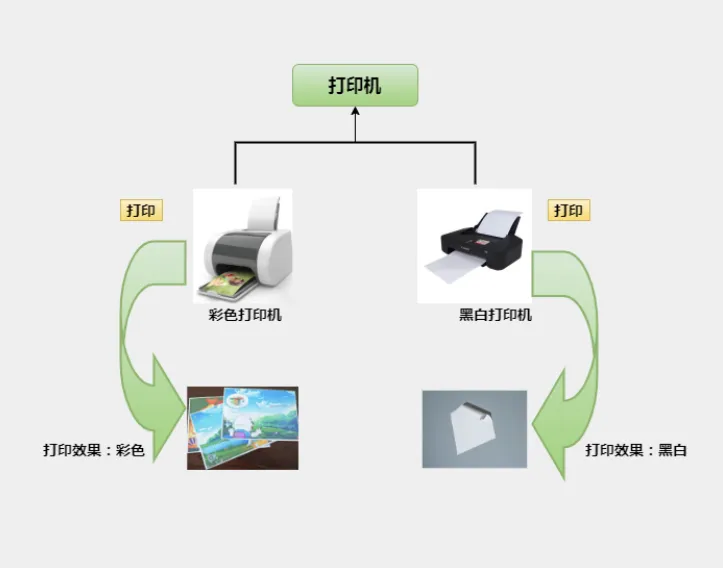
多态(Polymorphism)是面向对象编程(OOP)中一个重要的概念,它允许同一个接口在不同场景中表现出不同的行为。在PHP中,多态通过继承、接口和抽象类来实现,为代码提供了更高的灵活性和可扩展性。
1. 什么是多态?
- 定义:多态允许父类或接口定义一组通用的方法,而子类可以根据需要重写这些方法,实现不同的行为。
- 意义: 提高代码的灵活性和扩展性。 通过统一接口简化代码调用,增强代码可维护性。
2. PHP多态的实现方式
- 通过继承实现多态
<?php
class Animal {
    public function makeSound() {
        return "Some generic sound";
    }
}

class Dog extends Animal {
    public function makeSound() {
        return "Bark";
    }
}

class Cat extends Animal {
    public function makeSound() {
        return "Meow";
    }
}

function printSound(Animal $animal) {
    echo $animal->makeSound() . PHP_EOL;
}

// 测试
$dog = new Dog();
$cat = new Cat();

printSound($dog); // 输出: Bark
printSound($cat); // 输出: Meow
?>
- 解析: Animal 是父类,定义了一个通用方法 makeSound。 子类 Dog 和 Cat 分别重写了 makeSound 方法,实现了不同的行为。 函数 printSound 接收 Animal 类型参数,通过动态绑定,调用子类的方法。
- 通过接口实现多态
<?php
interface Shape {
    public function getArea();
}

class Circle implements Shape {
    private $radius;

    public function __construct($radius) {
        $this->radius = $radius;
    }

    public function getArea() {
        return pi() * pow($this->radius, 2);
    }
}

class Rectangle implements Shape {
    private $width;
    private $height;

    public function __construct($width, $height) {
        $this->width = $width;
        $this->height = $height;
    }

    public function getArea() {
        return $this->width * $this->height;
    }
}

function printArea(Shape $shape) {
    echo "Area: " . $shape->getArea() . PHP_EOL;
}

// 测试
$circle = new Circle(5);
$rectangle = new Rectangle(4, 6);

printArea($circle);    // 输出: Area: 78.5398
printArea($rectangle); // 输出: Area: 24
?>
- 解析: 定义 Shape 接口,统一约定了 getArea 方法。 Circle 和 Rectangle 类分别实现了 Shape 接口,定义了具体的面积计算方式。 通过函数 printArea,可以统一处理实现 Shape 接口的对象。
- 通过抽象类实现多态
<?php
abstract class Payment {
    abstract public function pay($amount);
}

class CreditCardPayment extends Payment {
    public function pay($amount) {
        echo "Paid $amount using Credit Card." . PHP_EOL;
    }
}

class PayPalPayment extends Payment {
    public function pay($amount) {
        echo "Paid $amount using PayPal." . PHP_EOL;
    }
}

function processPayment(Payment $payment, $amount) {
    $payment->pay($amount);
}

// 测试
$creditCard = new CreditCardPayment();
$paypal = new PayPalPayment();

processPayment($creditCard, 100); // 输出: Paid 100 using Credit Card.
processPayment($paypal, 200);    // 输出: Paid 200 using PayPal.
?>
- 解析: 抽象类 Payment 定义了 pay 方法,但不提供具体实现。 子类 CreditCardPayment 和 PayPalPayment 实现了 pay 方法,完成了具体的支付逻辑。 函数 processPayment 实现了多态调用。
3. 多态的实际应用场景
- 日志记录系统 不同的日志记录方式(文件、数据库、远程服务器)可以通过多态实现:
<?php
interface Logger {
    public function log($message);
}

class FileLogger implements Logger {
    public function log($message) {
        echo "Logging to file: $message" . PHP_EOL;
    }
}

class DatabaseLogger implements Logger {
    public function log($message) {
        echo "Logging to database: $message" . PHP_EOL;
    }
}

function writeLog(Logger $logger, $message) {
    $logger->log($message);
}

// 测试
writeLog(new FileLogger(), "This is a file log.");
writeLog(new DatabaseLogger(), "This is a database log.");
?>
-
电商系统中的支付模块 支持多种支付方式(支付宝、微信、银行卡),每种支付方式可以通过多态实现。
-
渲染系统 不同类型的文件(HTML、JSON、XML)渲染方式不同,但可以通过统一接口进行操作。
4. 多态的优点
代码解耦:客户端代码与具体实现分离,增强代码灵活性。 易于扩展:添加新类无需修改现有代码。 代码复用:统一的接口或父类使得方法可以重复使用。
多态是 PHP 面向对象编程中不可或缺的一部分,通过继承、接口和抽象类实现多态,可以让代码更加灵活、易维护。在实际开发中,多态广泛应用于各种场景,如支付系统、日志系统、渲染系统等,提升了开发效率和代码质量。